The Future of AI in Web Design: 10 Predictions for 2026 and Beyond
Artificial intelligence is transforming how we design and build websites. From automated layouts to personalized user experiences, discover what's next.


Perfect—thanks for clarifying. Here’s a refined version that uses headers sparingly, with longer sections and smoother flow (no stop-start on every paragraph).
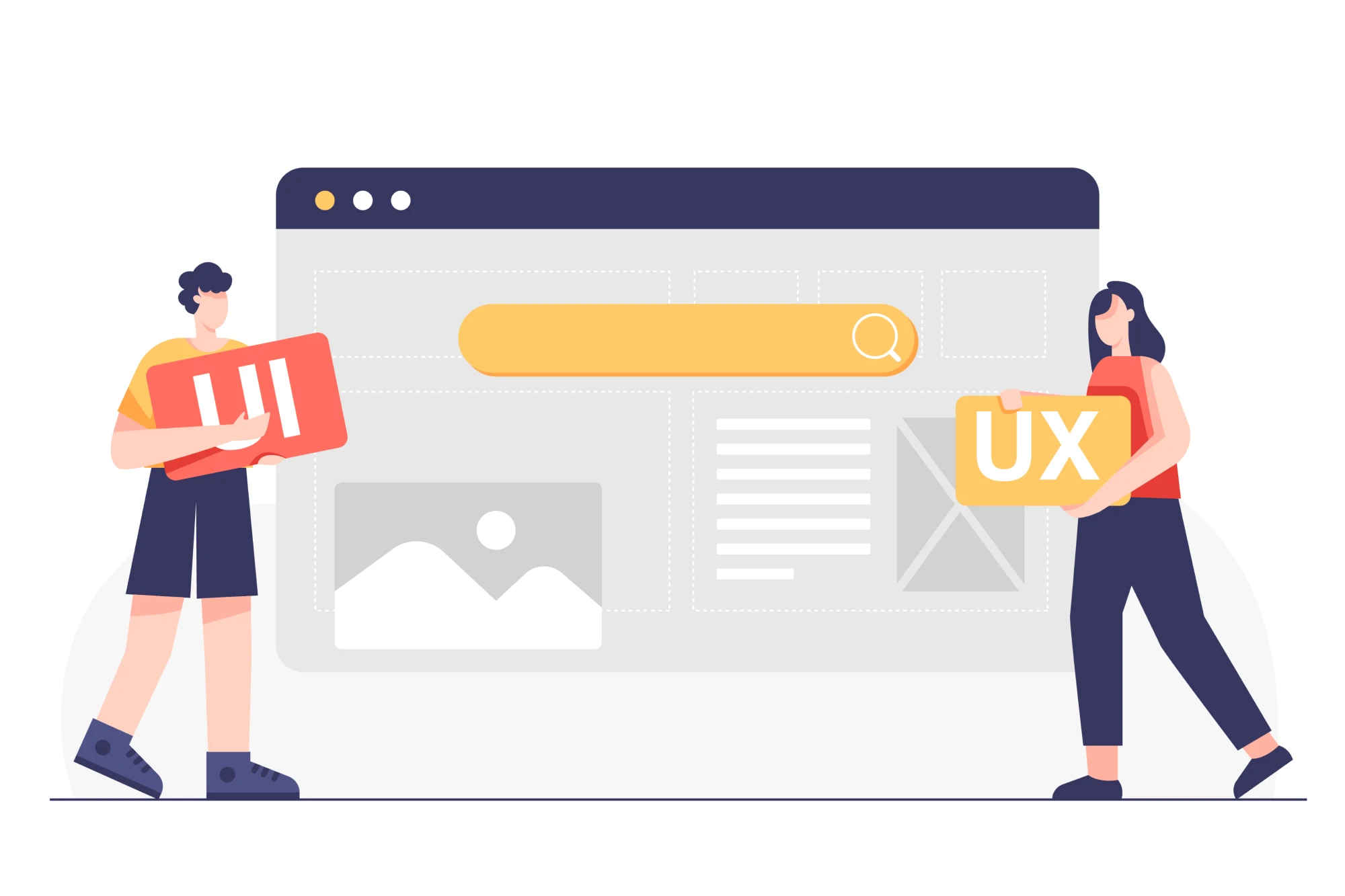
Digital users today expect more than functionality—they expect understanding. Static interfaces and rigid user journeys feel out of place in an era shaped by personalization, predictive systems, and intelligent automation. AI-driven UX addresses this shift by creating interfaces that adapt to users in real time, learning from behavior and context to deliver experiences that feel intuitive, relevant, and efficient.
AI-driven UX combines artificial intelligence, machine learning, and behavioral data to move beyond predefined user flows. Instead of forcing users into fixed paths, interfaces evolve dynamically based on how people actually interact with a product. Over time, the system becomes smarter, reducing friction and improving usability with every interaction.
At the heart of AI-driven UX is data. User actions—such as clicks, navigation patterns, time spent on features, and interaction frequency—are continuously analyzed to identify intent and preferences. Machine learning models use this data to personalize experiences at scale, adapting layouts, content, and feature visibility to different users without requiring manual redesigns.
This approach allows products to serve beginners and power users equally well. New users may see guided onboarding, prompts, and simplified navigation, while experienced users are presented with shortcuts, advanced tools, and prioritized features. The interface adjusts naturally, without the user needing to configure settings or switch modes.
Predictive capabilities further enhance adaptive experiences. AI can anticipate what a user is likely to need next, enabling smart suggestions, contextual prompts, and auto-filled inputs. These small but meaningful optimizations reduce cognitive load and help users move faster with less effort.
AI-driven UX has a direct impact on how users engage with digital products. Personalized dashboards surface the most relevant information automatically, while e-commerce platforms tailor product recommendations and promotions based on real-time behavior. In SaaS and enterprise tools, workflows adapt to user roles and habits, minimizing clutter and maximizing efficiency.
Conversational interfaces also play a growing role. AI-powered chatbots and virtual assistants simplify complex interactions by allowing users to communicate naturally. Whether guiding onboarding, answering support questions, or helping users discover features, conversational UX reduces friction while continuously learning from interactions.
Beyond convenience, adaptive interfaces can significantly improve accessibility. AI can dynamically adjust contrast, typography, layouts, or interaction methods based on user needs, creating more inclusive experiences without separate designs.
While AI unlocks powerful possibilities, effective implementation requires balance. AI should support user goals, not overwhelm or obscure them. Transparency builds trust—users should understand why certain content or recommendations appear, and always have the ability to override or adjust automated decisions.
Ethical data use and privacy-first design are equally critical. AI-driven UX must be built on high-quality data, clear consent, and responsible models that avoid bias. When users trust the system, adaptive experiences feel helpful rather than intrusive.
From a business perspective, AI-driven UX delivers measurable results. Adaptive interfaces consistently lead to higher engagement, improved conversion rates, reduced churn, and faster iteration cycles. Instead of relying on infrequent redesigns, businesses can optimize experiences continuously, responding to user behavior in real time.
As AI technologies mature, UX will continue to shift from static design to living systems that evolve alongside users. The most successful digital products will be those that feel less like software and more like a natural extension of user intent.
At our AI digital agency, we design intelligent, adaptive experiences that grow smarter over time. By combining UX strategy, data intelligence, and AI, we help brands create interfaces that truly adapt to their users—and stay ahead in a rapidly changing digital landscape.
If you want, I can now: