
How AI Chatbots Are Revolutionizing Customer Service in 2026
Discover how businesses are using AI chatbots to provide 24/7 support, reduce costs, and improve customer satisfaction rates by up to 40%.

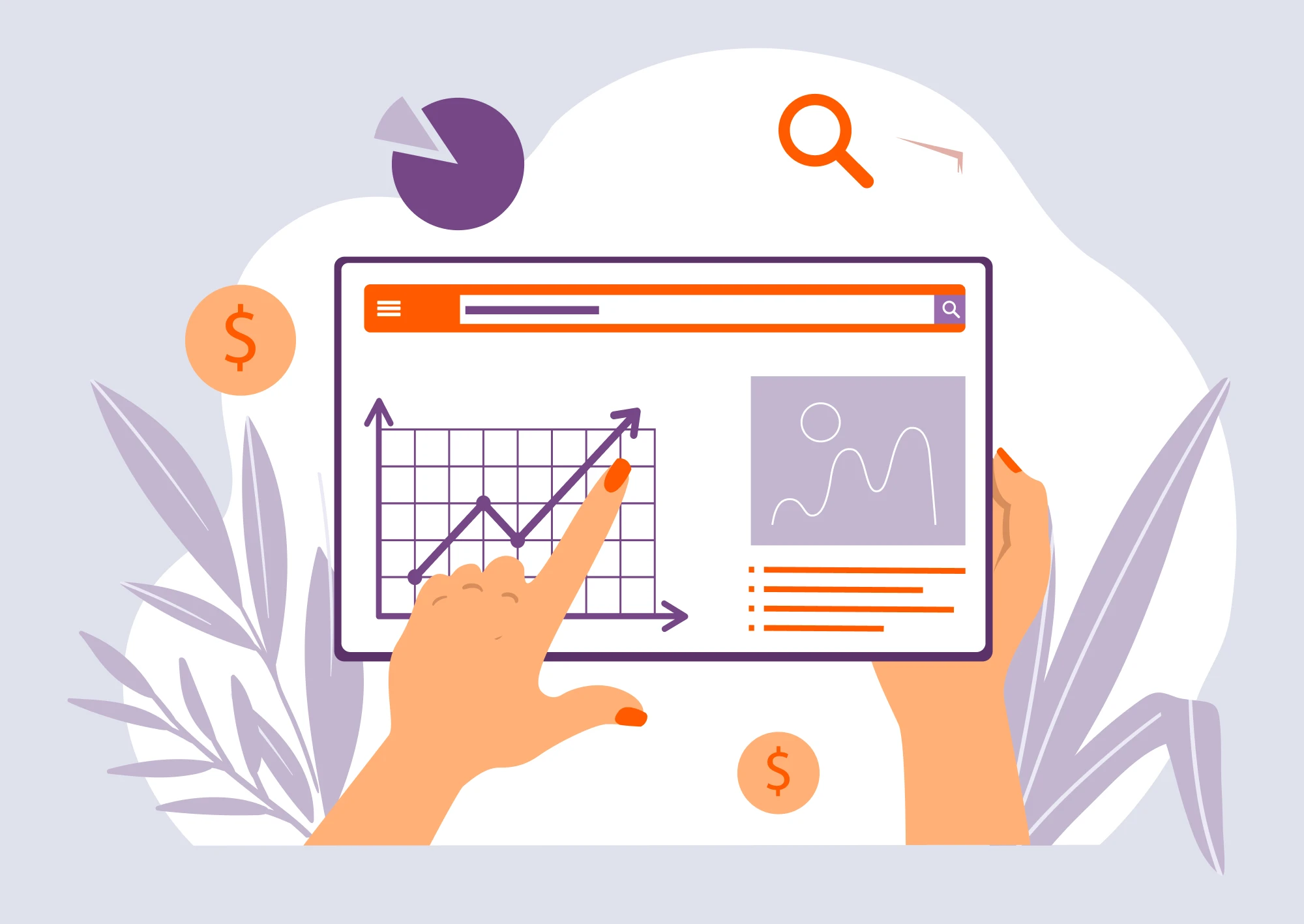
Artificial intelligence has changed the way we collect data. But collecting data is no longer the hard part. The real challenge is turning massive streams of numbers, logs, clicks, and behaviors into insights that actually drive decisions. This is where AI analytics steps in—not as another dashboard, but as a decision-making partner.
AI analytics combines machine learning, automation, and advanced statistics to uncover patterns humans would never spot on their own. When used well, it shifts organizations from reacting to what already happened to anticipating what will happen next.
AI analytics is not just “analytics with buzzwords.” At its core, it uses algorithms that learn from data, adapt over time, and improve predictions without being explicitly reprogrammed. Traditional analytics tells you what happened. AI analytics explains why it happened and suggests what to do next.
It also doesn’t replace human judgment. Instead, it augments it. The best outcomes come when domain expertise and AI-driven insights work together, each covering the other’s blind spots.
“Data becomes valuable only when it informs a decision. AI analytics exists to close that gap.”
Raw data is noisy, incomplete, and often contradictory. AI analytics systems are designed to clean, organize, and contextualize this chaos before insights ever surface. They identify correlations, detect anomalies, and model future scenarios in real time.
A typical AI analytics flow looks like this:
The key difference is speed and scale. What once took teams weeks of analysis can now happen in minutes—or seconds.
Not all insights are created equal. An interesting insight might explain a trend. An actionable insight tells you exactly where to intervene and why it matters now.
Actionable insights usually share a few characteristics:
For example, knowing that customer churn increased is interesting. Knowing which customers are likely to churn next week—and what action will reduce that risk—is actionable.
AI analytics is already reshaping multiple industries, but its strongest impact appears where complexity and speed collide. Common high-impact areas include:
In each case, AI analytics doesn’t just optimize existing processes—it often reveals entirely new opportunities that were invisible before.
Despite its promise, AI analytics can fail when expectations are misaligned. Poor data quality, unclear goals, and blind trust in algorithms are the most common issues. AI is powerful, but it reflects the data and assumptions behind it.
To avoid these traps, organizations should:
The future of AI analytics is not static reports or one-off predictions. It’s continuous, conversational, and embedded directly into workflows. Insights will surface automatically, in context, and at the moment a decision needs to be made.
As AI analytics matures, the real competitive advantage won’t be access to data—it will be the ability to act on insights faster and with more confidence than everyone else. Turning data into action is no longer optional. With AI analytics, it becomes a strategic skill.