
The Future of AI in Web Design: 10 Predictions for 2026 and Beyond
Artificial intelligence is transforming how we design and build websites. From automated layouts to personalized user experiences, discover what's next.

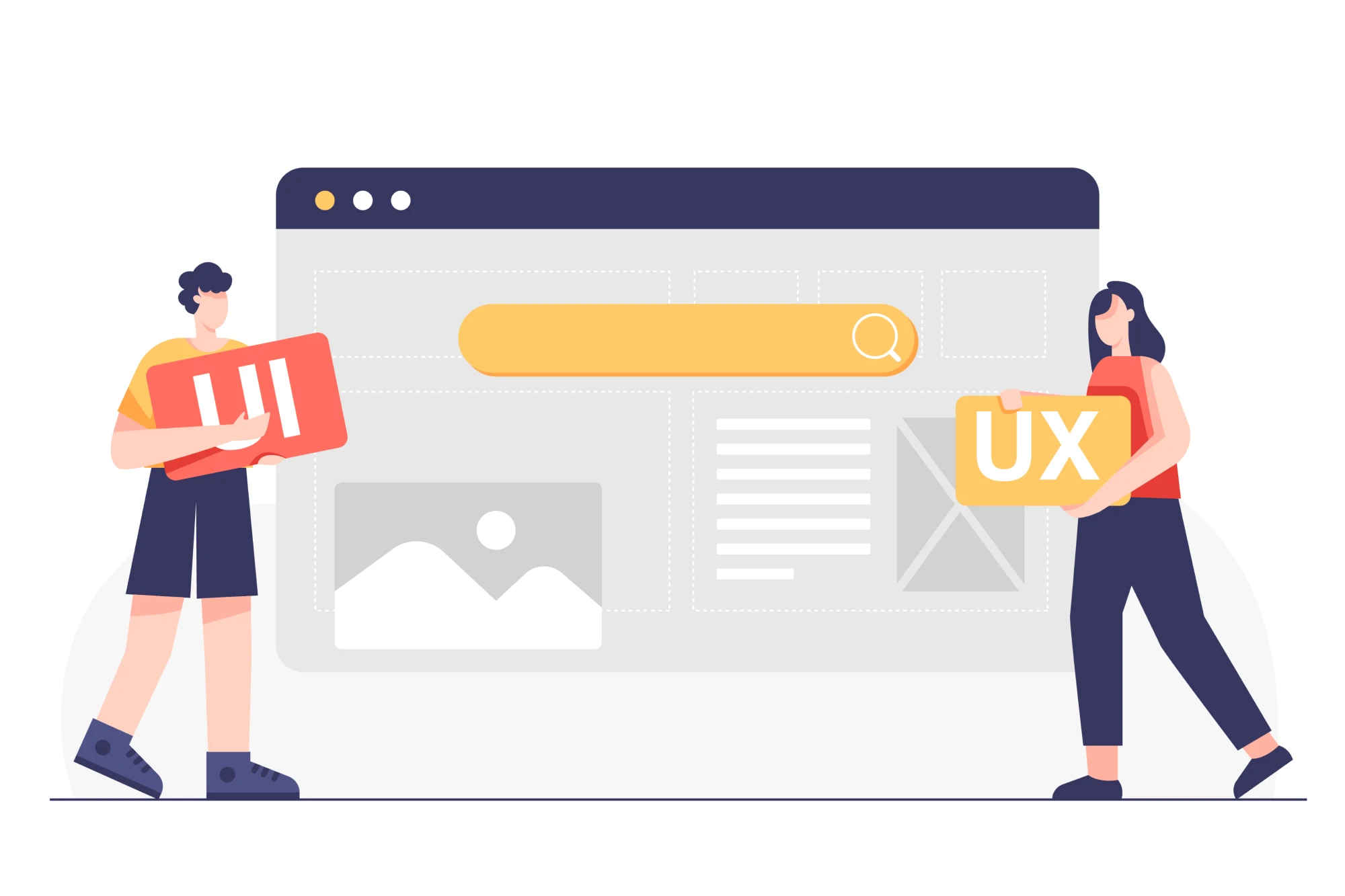
Minimalism in web design is no longer about stripping everything down to bare bones. In 2026, it’s about intentional simplicity—design choices that reduce noise while amplifying meaning. When done right, minimalist design doesn’t just look good; it guides users, builds trust, and keeps people engaged longer. Let’s explore the key minimalist web design trends that are proving especially powerful for user engagement.
White space has evolved from an aesthetic preference into a functional tool. Designers now use space deliberately to control pacing, emphasize key messages, and reduce cognitive load. Instead of filling every pixel, minimalist layouts allow content to breathe, making pages easier to scan and more comfortable to explore.
This approach helps users focus on what matters most—whether that’s a headline, a product, or a call-to-action. When users don’t feel overwhelmed, they’re more likely to stay, read, and interact. White space, in this sense, becomes an invisible guide that quietly improves usability.
“Simplicity is not the absence of complexity, but the mastery of it.”
Minimalist websites are increasingly replacing decorative graphics with strong, expressive typography. Large headlines, confident font choices, and clear typographic hierarchies are doing the heavy lifting. This trend keeps designs clean while still delivering personality and emotional impact.
Typography-led design also improves accessibility and clarity. Users can instantly understand what a page is about, which reduces friction and increases engagement. Instead of competing for attention, text becomes the hero—direct, readable, and memorable.
Modern minimalist design favors restrained color palettes, often built around neutral tones with one or two accent colors. The goal isn’t to look bland, but to make interactions stand out. A single accent color used consistently for buttons, links, or highlights trains users where to click without needing instructions.
This strategy creates visual calm while still supporting conversion goals. Users feel oriented rather than distracted, which leads to smoother navigation and more confident decision-making.
Common characteristics of this trend include:
Minimalism doesn’t mean static. Subtle animations and microinteractions are now a core part of engaging minimalist design. Hover effects, smooth transitions, and gentle feedback signals help users understand that the site is responsive to their actions.
These interactions are carefully restrained—nothing flashy, nothing unnecessary. Their purpose is clarity and delight, not spectacle. When users feel the interface responding to them, even in small ways, it builds a sense of control and satisfaction.
Minimalist design increasingly starts with content, not decoration. Pages are structured around clear narratives, concise messaging, and logical flow. This respects the user’s time and attention, which is one of the most valuable currencies online.
Designers are prioritizing:
By removing clutter and focusing on meaningful content, minimalist layouts encourage deeper engagement rather than quick exits.
At its core, minimalist web design communicates confidence. It signals that the brand knows what matters and isn’t trying to hide behind excess visuals or gimmicks. This sense of calm professionalism builds trust, especially in industries where credibility is crucial.
When users trust a site, they explore more pages, spend more time reading, and are more likely to convert. Minimalism, when thoughtfully applied, becomes not just a style—but a strategy for long-term engagement.
In a digital world overflowing with information, minimalist web design stands out by doing less, better. And that restraint is exactly what keeps users coming back.