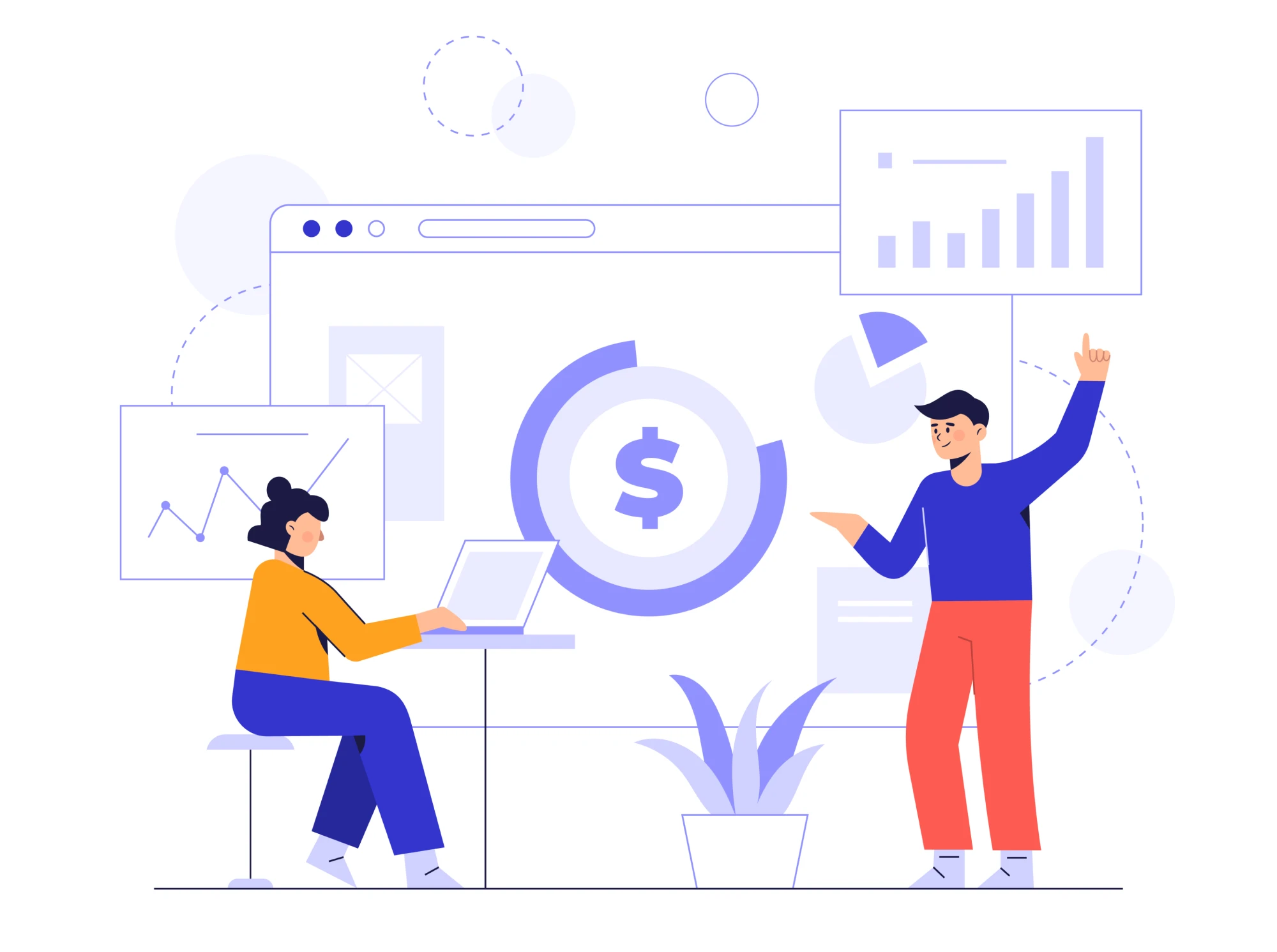
Marketing Automation: Save 60% of Your Time with AI Workflows
Step-by-step guide to implementing AI-powered marketing automation that actually works.

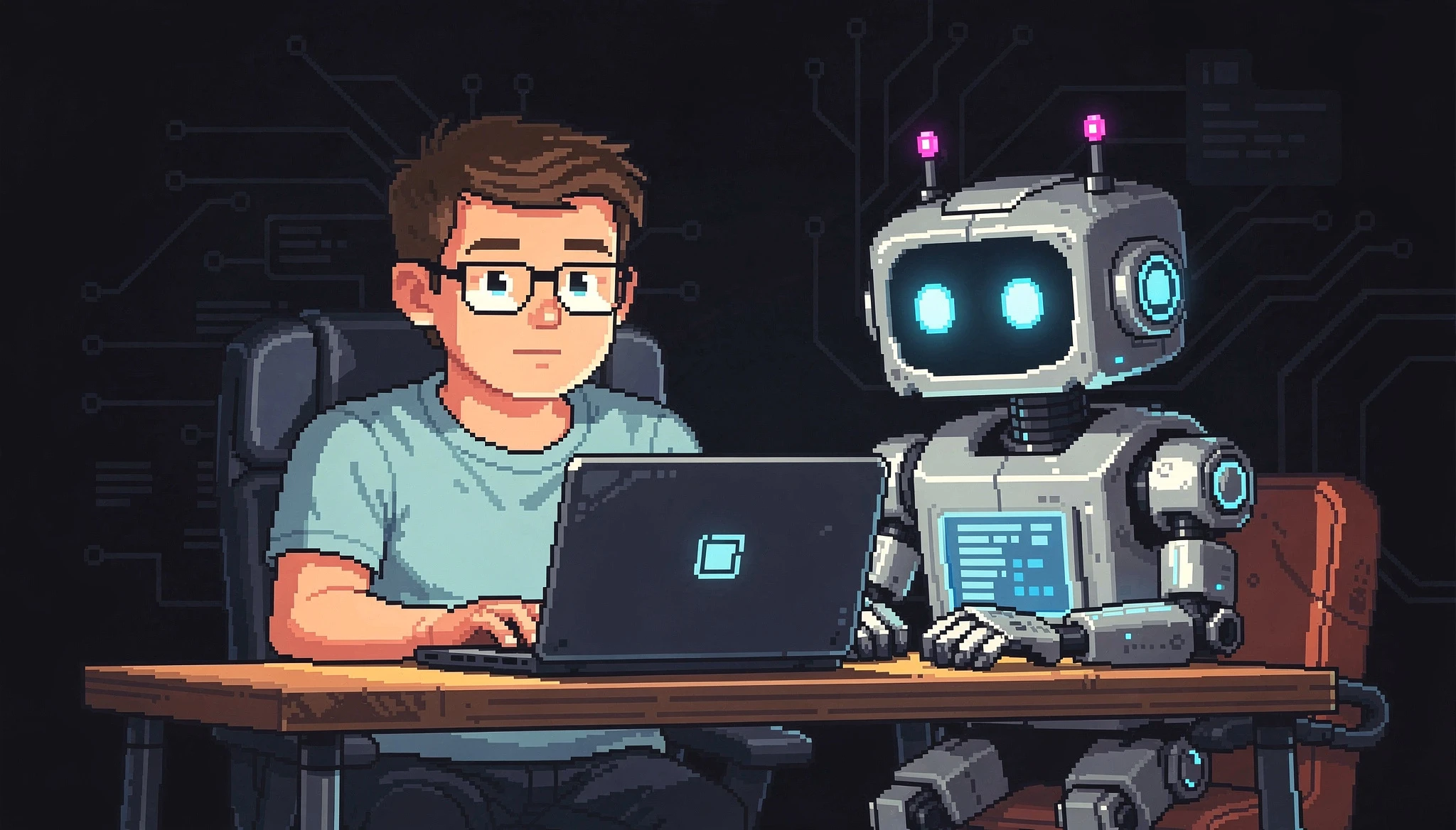
Artificial intelligence has already begun reshaping the way we build and experience websites—but this is only the beginning. As we move deeper into 2026 and beyond, AI’s role in web design will expand from helpful tool to design partner, revolutionizing creativity, personalization, and performance. Here’s a forward-looking exploration of how AI will transform web design in the coming years.
Today’s websites often use simple rule-based personalization (“show this if the user clicked that”). In the future, AI will tailor entire user experiences based on real-time understanding of context, intent, and preference. Imagine a homepage that rearranges itself based on a visitor’s mood detected through interaction patterns, or content that evolves organically to answer users’ unspoken questions.
This won’t be static customization—it will be dynamic, continuously learning and optimizing every visit.
Designers will increasingly collaborate with AI as a creative partner. Tools already generate layouts and visuals from text prompts—soon they’ll propose entire design systems that adapt to brand voice, industry norms, and accessibility best practices. Rather than replacing human designers, AI will serve as an ideation engine, helping creative teams iterate faster with less manual labor.
In this landscape, the role of the web designer becomes less about rote tasks and more about curation, creativity, and strategic decision-making.
By 2026, voice and conversational interfaces will be ubiquitous on the web—not just for accessibility, but for primary interaction. AI will understand natural language queries and generate contextually rich responses, minimizing friction in user flows such as search, support, or product discovery.
Websites will feel less like static pages and more like responsive dialogues with users.
AI won’t just respond to user actions; it will anticipate them. Through behavioral analysis and pattern recognition, interfaces will pre-emptively surface relevant information, shortcuts, or suggestions before a user even asks.
This predictive UX can feel almost intuitive, transforming websites from reactive platforms into proactive guides.
AI will democratize digital accessibility. Instead of retrofitting sites for compliance, designers will use AI tools that automatically audit and fix accessibility issues in real time—ensuring screen readers, keyboard navigation, contrast ratios, and semantic markup are optimized without extensive manual review.
This shift will make inclusive design a baseline expectation rather than a luxury.
From microcopy to full articles, AI will generate and optimize content tailored to individual user segments. This includes SEO-friendly headlines, persuasive call-to-action text, and even emotional tone adjustments.
However, human oversight will remain important to ensure accuracy, brand consistency, and ethical alignment.
AI will make websites more adaptive across devices, contexts, and environments. Instead of separate “mobile” and “desktop” versions, designs will fluidly morph based on device capabilities, user behavior patterns, and even environmental factors such as lighting or connectivity.
This approach ensures experiences feel native and frictionless everywhere.
Rather than quarterly analytics reports, designers will have live dashboards powered by AI that interpret data, forecast trends, and recommend actionable changes. Websites will essentially self-optimize, learning from successes and failures to improve design, messaging, layout, and performance without constant human intervention.
This doesn’t eliminate designers—it elevates them to strategic overseers of intelligent systems.
As AI becomes more embedded, ethical considerations will take center stage. Designers will need to ensure AI systems respect privacy, avoid bias, and provide transparent explanations for decisions that impact users.
Ethical AI will become a core principle of responsible web design, not an afterthought.
Finally, the biggest prediction: AI will make web design accessible to people without technical training. Natural language interfaces and generative tooling will allow entrepreneurs, educators, and creatives to build sophisticated web experiences by simply describing what they want.
This democratization will fuel innovation, diversify the web, and empower voices previously excluded by technical barriers.
“AI won’t replace designers—but designers who use AI will replace those who don’t.”
— A prediction that feels more prophetic every year.
Looking Ahead
By 2026 and beyond, AI will redefine the boundaries of what’s possible in web design. From personalization and accessibility to creativity and ethics, AI is not just a tool—it’s a transformative force shaping the next generation of the web. The future belongs to those who embrace AI not as an assistant, but as a collaborator in crafting meaningful digital experiences.